Baccarat Squeeze-Table Guide: Read the Ritual, Control the Pace
At a standard baccarat table, the dealer flips cards quickly and the result is announced within seconds. At a squeeze table, a player slowly peels the corner of each card while the whole table waits. If you are new to this format, the suspense is the point — but the pace is the part that quietly affects your bankroll.
Before you sit down, here are three things worth knowing about squeeze-style baccarat:
- The ritual does not change the rules or the odds. The cards are already in a fixed order once the shoe or shuffling machine releases them. The slow reveal is theater.
- The pace is noticeably slower. A table with a dramatic squeezer may produce far fewer rounds per hour than a fast game, and that changes how bet sizes and session limits should be planned.
- Room-to-room differences matter more than technique. Commission, side bets, table minimums and squeeze policies all vary. The first habit to build is checking the table rules before you place a chip.
What a New Player Actually Sees at a Squeeze Table
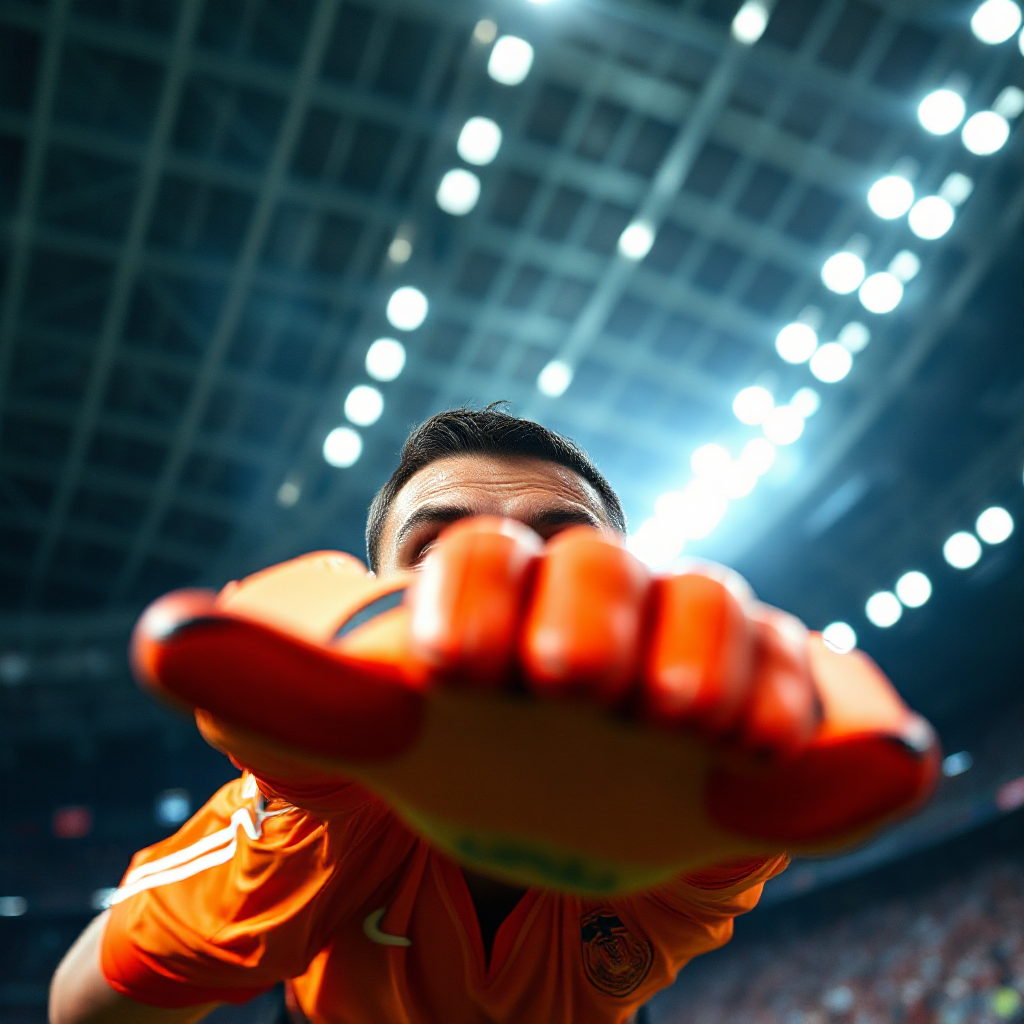
Picture this: you sit at an empty seat at a baccarat table. The dealer pushes two cards face down to the Banker box and two to the Player box. Instead of turning them over, the dealer offers the first pair to the person with the largest wager on that hand. That player flips the edge of the card up slowly, tilts it, lets out a small breath, and peels another millimeter. Then the second card gets the same treatment. Everyone around the table leans in, even the players who bet on the opposite side.
If you have never done this, the first instinct is to wonder whether the slow reveal actually changes something. It does not. The cards are already assigned to the hand. What the squeeze changes is the emotional rhythm of the round. More importantly, it changes how long each round takes, which means your per-round betting decision needs to be made with a longer session in mind.
New players often make two errors in this scenario: they treat the squeezer as if they are skilled at predicting the cards, and they lose track of time because the drama is entertaining. Neither is dangerous by itself. Together, they can lead to you staying longer than planned and betting more than your original budget.
 Hình minh hoạ: dabet
The Rules You Actually Need Before Touching the Cards
Squeeze baccarat uses the same core rules as regular baccarat. The goal is to bet on which hand — Banker or Player — will finish with a point total closest to nine. Picture cards and tens count as zero, aces count as one, and the cards from 2 to 9 keep their face value. If a hand totals more than nine, you drop the first digit: a seven and a six gives 13, which counts as three.
A natural eight or nine drawn in the first two cards ends the hand immediately. If neither hand has a natural, the dealer may deal a third card to the Player hand, the Banker hand, or both — depending on the third-card drawing rules. You do not need to memorize these rules when you start. The dealer manages the draw. Your only job is to decide which side to bet and how much.
The phrase “squeeze table” refers to the presentation, not a separate rulebook. The same commission structure, card values and drawing rules apply. The only real difference is who gets to reveal the cards and how slowly they are allowed to do it.

Who Gets to Squeeze and How the Ritual Works
In most live casino squeeze games, the player who placed the highest wager on a given hand is given the cards for that hand. If multiple players bet on Player, the largest Player wager wins the right to squeeze the Player cards. The same rule applies for Banker. If you are the only player betting on a side, the cards are naturally yours.
Here is a typical step-by-step walkthrough of a squeeze round:
- The dealer slides four cards face down into the table’s designated areas, two for the Player hand and two for the Banker hand.
- The dealer announces which hand is being squeezed first and pushes it to the eligible player.
- The player picks up the cards and peels the top corner, checking the pips or the index mark to see whether the card is a natural or a low-value card.
- The reveal is repeated for the second card, then the other hand is given to the player who bet most on that side.
- If no natural appears, the dealer draws per the third-card rules. The extra cards may also be offered for squeezing, depending on house policy.
- Once all cards are exposed, the dealer calls the result, settles winnings and collects losing bets.
Some casinos let the player on the other side of the table squeeze the Banker cards, while others have the dealer handle one hand. This is a house policy, not a legal requirement. When you sit at a table and are unsure, ask the dealer politely before the next shoe begins.
In online versions, the mechanic usually appears as an on-screen “squeeze” button or a slow-flip animation. The digital version is fully cosmetic, but it can be useful if you are learning the pacing: it lets you control how fast the cards are revealed without holding up other players.

Pacing: The Quiet Difference That Changes Your Strategy
Most players focus on the drama of the squeeze, but the real difference is the pace. A regular baccarat table can run dozens of rounds per hour because the dealer keeps the rhythm tight. A squeeze table, especially one with a player who enjoys a long reveal, will run fewer rounds per hour. The exact number depends on the dealer, the players, and the casino. Instead of trusting a number from a guide, count the rounds yourself during your first ten minutes at the table. That simple habit will show you the true pace of that particular seat.
Why does pace matter so much? Because your bankroll is tied to how many bets you place. Suppose you plan to wager 10 units per round with a 300-unit session bankroll. On a fast table, that bankroll might disappear across 30 aggressive rounds in an hour. On a squeeze table, the same 30 rounds might take two hours or more. The slower pace gives you more time between decisions, which can help you stay disciplined. But it can also make you feel like the session is not moving, and that boredom can tempt you to raise your bet just to “get some action going.”
If you use any form of betting progression — even a simple one that doubles after a loss — the slower table affects you in two ways. It protects you from quick losing streaks because you place fewer bets per hour. It also slows down any recovery, which means a bad streak can stretch across an entire evening instead of ending quickly. There is no mathematically better option here. There is only the version that matches your patience and your loss limit.
Before committing to a live lobby, it helps to compare how different operators describe their baccarat tables. You might start with a platform such as dabet; it is simply a place to look at baccarat listings and note which ones mention live dealers, squeeze options or special side bets. You should still verify the exact table rules in the game interface before you join.

Table Versions and Settings to Compare
Squeeze baccarat is not one single product. You will see variations that change the house edge, the payout speed and the available side bets. The chart below gives you a quick comparison of the options you are most likely to encounter.
| Table Version | What Changes | What to Check |
|---|---|---|
| Classic Commission Baccarat | Winning Banker bets pay even money minus a 5% commission. | Ask how the casino tracks commission and when it is collected. |
| No Commission / EZ Baccarat | Banker wins are paid without commission, but special rules apply to a three-card winning Banker total of seven. | Read the felt description carefully — the Banker advantage is protected by a specific push or half-pay rule. |
| Panda 8 / Dragon 7 Side Bets | Side bets pay high multiples for specific hands, such as a three-card eight with the Player side or a three-card seven with the Banker side. | Side bets carry a much higher house edge; treat any money placed here as separate from your main wager. |
| Squeeze Table vs. Speed Table | Squeeze tables allow slow reveals; speed tables force a quick turn of the cards. | Decide in advance whether you want the drama or the faster rounds. |
A good habit is to look for the paytable before committing to any table. Most online lobbies show the rules in a small help icon that you can open without joining. If you explore a few live rooms through a page like Casino Dabet, compare how clearly each operator lists the commission, minimums and side bet payouts. Clear rules are a sign that the table is suitable for a beginner; vague rules are a reason to walk away.
Quick Glossary for Squeeze-Table Beginners
Some of the words you will hear at a squeeze table may sound like a private language. Here is a short reference you can keep next to your notepad.
| Term | Meaning |
|---|---|
| Squeeze | Slowly peeling back the edge of a card to reveal its value in stages. |
| Natural | A two-card total of eight or nine, which ends the hand immediately. |
| Commission | The 5% fee taken from winning Banker bets on classic commission tables. |
| Shoe | The box that holds the cards before they are dealt. Squeeze tables use either a shoe or a shuffling machine. |
| Roadmap | The grid display on the table screen that records past results. It looks predictive but does not change future odds. |
Mistakes to Avoid at a Squeeze Table
The squeeze introduces a layer of psychology that normal baccarat does not have. Here are the mistakes that hurt players most often.
- Treating the squeeze as a skill. No amount of card peeling changes the order of the deck. The player who squeezes has exactly the same odds as a player who walks away before the reveal.
- Raising bets because the table feels exciting. The slow reveal builds anticipation, and anticipation makes big bets feel justified. Decide your bet size before the cards are pushed out, not during the peel.
- Ignoring the commission on classic tables. A winning Banker hand that pays less than even money changes your session math. If you are chasing a loss, the commission makes the chase even harder.
- Believing streaks are meaningful. A row of Player wins on the road map does not make the next Player win more likely. Each hand is an independent outcome.
- Holding up the table because you are unsure. If you are the highest bettor on a hand, you will be offered the squeeze. It is acceptable to decline and ask the dealer to reveal the cards for you.
- Skipping the session cap. Because squeeze rounds are long, you may not realize how many units you have actually exposed. Track your total bets, not your elapsed time.
Action Checklist: Before You Sit, While You Play, When You Leave
You do not need to master baccarat strategy to enjoy a squeeze table. You do, however, need a simple routine. This checklist takes about two minutes and can save you from the most common session mistakes.
Before you sit
- Confirm the table minimum and maximum, and make sure the minimum fits inside your session budget for at least 20 rounds.
- Check whether the table charges commission on Banker wins or uses a no-commission rule.
- Read the side bet rules if you plan to play them. Treat side bets as separate entertainment money.
- Set a hard stop-loss for the session. A reasonable starting point is 30% of your bankroll, but any number works as long as you actually leave when you hit it.
While you play
- Count the rounds for the first ten minutes to understand the real pace of that table.
- Use a flat bet or a simple bet size that you decide before the cards are dealt.
- If you are offered the squeeze, remember that you can decline. The dealer will handle the reveal quickly and politely.
- Check the amount of commission you owe after a series of Banker wins so there are no surprises when the dealer settles the score.
When you leave
- Cash out at your time limit or loss limit, whichever comes first.
- Write down your result and the number of rounds you played. This gives you a factual record that is more useful than a memory of “good hands” or “bad runs.”
Frequently Asked Questions
Does the squeeze change the odds of baccarat?
No. The cards are dealt before the squeeze begins. The slow reveal only delays when everyone sees the result. The house edge on the Banker bet and the Player bet stays exactly the same as in a normal baccarat game.
Who gets to squeeze the cards in a live casino?
Usually the player with the largest wager on that particular hand. If two players bet on Player, the one with the higher bet may be offered the Player cards. If you prefer not to squeeze, you can simply decline and let the dealer show the cards.
Is a squeeze table better for beginners?
It depends on your temperament. A slower pace can make each decision feel more deliberate and less stressful. But the same slower pace creates long stretches of downtime, and some beginners react to that by raising their bets out of boredom. If you prefer fast, matter-of-fact rounds, a standard or speed table is a better fit.
Do online baccarat tables offer squeeze?
Some do. Online versions usually provide an on-screen squeeze button that triggers a slow reveal animation. The result is already determined in the background, so the animation is purely cosmetic. It is a useful way to practice the ritual without social pressure.
How many hands per hour should I expect at a squeeze table?
The number varies widely based on the dealer, the players and the casino’s rules. A good approach is to count the rounds yourself during the first ten minutes. That gives you a practical estimate for the specific table you are playing, which is more reliable than any general number.
Key Risks to Remember
The squeeze gives you a false sense of control. You are holding the cards, peeling the edge, feeling the tension, and that sensation can easily slide into a belief that you are influencing the outcome. You are not. Baccarat remains a game of chance, and in the long run the house edge works against every bet placed at the table. The extra minutes of suspense on a squeeze table make the game more entertaining, but they also make it easier to lose track of how much money you have actually wagered. The practical move is to treat the ritual as entertainment, cap your exposure before the first card is squeezed, and never let the drama of the reveal talk you into a bet that your session plan did not already approve.